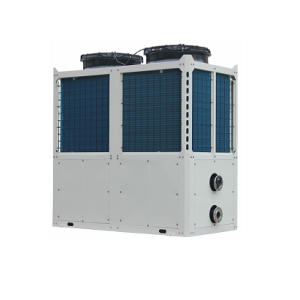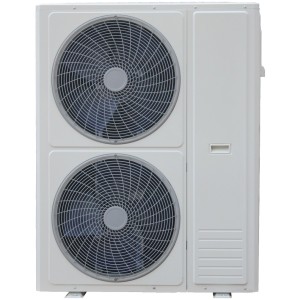
Hotel & Resort Hot Water Solutions: Heat Pump Systems for Hospitality
Hot water is the silent engine of hospitality. From dawn showers to restaurant kitchens, spa pools to laundry cycles, guests expect instant, abundant hot water at any hour. Yet for hotel owners and facility managers, the energy bill tied to that comfort is typically the second-largest operating cost after payroll. Across the EU, UK, and an increasing number of US states, legacy gas and oil boilers are being taxed, restricted, or outright banned. Heat pump water heaters (HPWH) have emerged as the drop-in replacement technology that cuts hotel hot water energy use by 60% to 75% while delivering the same — or better — guest experience. Suoher's engineering team has sized, shipped, and commissioned commercial heat pump systems for hotels from 40-room boutique properties to 300-room resorts. This guide explains why the transition makes financial sense, how to size and design a system that survives peak check-in rushes, and what information your manufacturer needs to deliver a quote you can trust.
Why Hot Water Dominates Hotel Energy Budgets
According to ASHRAE Research Project RP-1540, domestic hot water can account for 25% to 40% of total thermal energy use in hotels and resorts. In properties with full-service restaurants, commercial laundries, and swimming pools, that share climbs to 45% or higher. The traditional response has been gas boilers, oil boilers, or direct electric resistance heaters. Each of these now carries a growing liability:
- Gas and oil boilers face carbon taxes, fossil-fuel boiler bans (EU ETS Phase 4, UK Clean Heat Grant restrictions), and volatile fuel prices. A hotel that budgeted €0.06/kWh for natural gas in 2022 may be paying €0.10–0.12/kWh in 2026.
- Electric resistance heating delivers only one unit of heat per unit of electricity (COP ≈ 1.0), making it the most expensive option on a running-cost basis and often the first target when an energy audit is performed.
- Combined heat and power (CHP) can work at very large scale, but complexity, maintenance contracts, and part-load efficiency penalties often outweigh savings for mid-size properties under 250 rooms.
Heat pumps cut that energy use because they move heat rather than generate it. A modern commercial air-to-water heat pump delivers three to five units of heat for every unit of electricity consumed. For a 120-room hotel spending €80,000 per year on gas hot water, a well-designed heat pump system with a COP of 3.5 translates to an electrical bill of roughly €22,800 — a potential annual saving of €57,000 before any maintenance or carbon-tax benefit. Over a fifteen-year equipment life, that is nearly €860,000 in operating-cost reduction.
Heat Pump Solutions for Hotels and Resorts
Hotel hot water systems fall into two categories: centralized (one or two large plants serving the entire property through a circulation loop) and decentralized (individual units per floor, wing, or villa cluster). Centralized systems are more common in urban full-service hotels because they allow easier redundancy, uniform water temperature, and centralized maintenance. Decentralized systems suit resorts with scattered bungalows, safari lodges, or historic buildings where pipe runs would be impractical.
For centralized properties, Suoher recommends a modular approach: multiple commercial air-to-water heat pumps plumbed in parallel to a shared buffer tank and circulation loop. Modularity delivers two advantages that are non-negotiable in hospitality. First, redundancy: if one unit requires service, the remaining units can cover 70–80% of peak demand while maintenance is completed during low-occupancy hours. Second, part-load efficiency: heat pumps operate most efficiently at 60–80% of rated capacity. A modular plant can stage units on and off to stay inside that sweet spot as occupancy fluctuates between 40% and 95%.
Air-source heat pumps are the default choice for most hotel retrofits because they require no ground works, boreholes, or water-source permits. In Mediterranean, subtropical, and temperate climates, ambient air temperatures rarely drop below the -7°C threshold where air-source COP begins to degrade seriously. For alpine or Nordic locations, Suoher's EVI (enhanced vapour injection) commercial line maintains rated output down to -25°C ambient, making it viable for ski resorts and northern European properties.
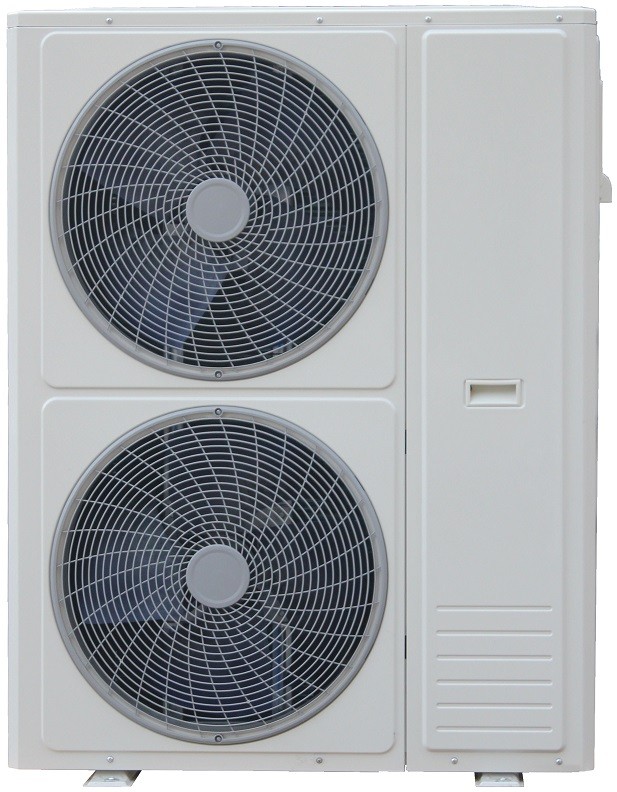
The Suoher SHAW-15DM3/K 15kW DC inverter heat pump. In a modular hotel plant, multiple units like this are piped in parallel to a shared buffer tank, allowing staged capacity that tracks occupancy and outdoor temperature.
Water Temperature and Legionella Compliance
Hospitality hot water systems must store water at 60°C or above to prevent Legionella proliferation, and they must deliver it at a safe tap temperature (typically 45–50°C via thermostatic mixing valves). This is not a problem for modern commercial heat pumps. Suoher's commercial units deliver water at up to 60°C directly, and when paired with a small electric immersion backup or a solar thermal pre-heat loop, they can maintain 65°C storage temperatures during low-occupancy periods without any fossil fuel.
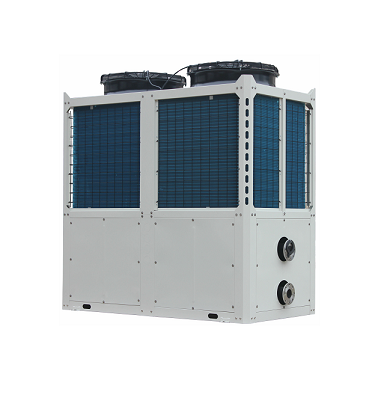
Suoher SHAW-90CV — 90kW Commercial Air-to-Water Heat Pump
Vertical commercial air-source heat pump engineered for centralized hotel and resort plants. Strong heating capacity, modular parallel installation, built-in WiFi monitoring, and RS485 interface for BMS integration.
- Heating capacity: 90 kW
- Power supply: 380V / 3-phase
- Max. water temperature: 60°C
- Control: Built-in WiFi + RS485
- Configuration: Modular parallel ready
Design Considerations for Hospitality HPWH Systems
Sizing a hotel heat pump system is not as simple as replacing a gas boiler kilowatt-for-kilowatt. Hotels have peaky demand profiles: two morning peaks (06:00–09:00 and 07:00–10:00 depending on guest mix) and one evening peak (18:00–22:00). Between these peaks, demand can fall to 10–15% of maximum. A system sized only for the peak will be inefficient and short-cycle during troughs. A system sized only for average load will run out of water during peak occupancy.
The correct approach is demand-factor sizing: calculate the theoretical peak, then apply diversity factors based on room count, typical occupancy, and guest profile. ASHRAE Handbook—HVAC Applications recommends the following rules of thumb for European and North American hotels:
| Parameter | Full-Service Hotel | Budget / Limited Service | Resort with Spa / Pool |
|---|---|---|---|
| Litres per room per day | 150–200 L | 80–120 L | 250–400 L |
| Peak factor (vs average) | 3.0–3.5× | 2.5–3.0× | 3.5–4.5× |
| Storage ratio (hours of peak) | 1.5–2.0 h | 1.0–1.5 h | 2.0–3.0 h |
| Typical setpoint | 55–60°C | 55°C | 60°C + pool loop |
For a 150-room full-service hotel at 85% occupancy, the daily hot water demand is roughly 150 rooms × 0.85 × 180 L = 22,950 L/day. The morning peak lasts about 2.5 hours and represents roughly 55% of daily demand, or 12,600 L. At a 50°C temperature rise (from 10°C cold to 60°C storage), that requires approximately 735 kWh of thermal energy in 2.5 hours — a peak thermal load of 294 kW. A modular plant of four Suoher SHAW-90CV units (360 kW nominal) with 3,000 L of buffer storage provides comfortable headroom, N+1 redundancy, and the ability to run three units at 80% load while the fourth cycles off.
Noise, Aesthetics, and Planning Permission
In urban and suburban locations, noise is a common planning constraint. Modern commercial heat pumps with DC inverter compressors and large-diameter fans operate at 58–65 dB(A) at 1 metre — comparable to a quiet conversation. Suoher's units can be fitted with acoustic enclosures, vibration isolators, and directional discharge louvres to meet local planning requirements. Roof-mounted installations are popular in city hotels because they free up ground-level space and place the noise source above guest windows. For resorts, units can be screened with architectural planting or housed in purpose-built plant rooms.
Real-World Case Study: Mediterranean Resort Retrofit
In 2024, a 180-room beach resort on the Spanish Costa del Sol replaced two 350 kW gas boilers with a centralized heat pump plant. The property operates at 75% average annual occupancy, with peak summer occupancy reaching 95%. Hot water demand includes guest rooms, two restaurants, a spa with hydrotherapy pool, and on-site laundry.
Pre-retrofit baseline: The resort consumed 412,000 kWh of natural gas per year for hot water, at an average delivered cost of €0.095/kWh including carbon surcharge. Annual hot water energy cost: €39,140. Maintenance and burner servicing added €4,200/yr. Total: €43,340/yr.
Post-retrofit system: Four Suoher SHAW-90CV commercial heat pumps (360 kW nominal total) with 4,000 L of stainless-buffer storage, circulation pumps, and BMS integration. The units were roof-mounted in a screened enclosure. Because the Mediterranean climate rarely drops below 5°C, the system achieved an annual average COP of 3.8.
Results after 12 months:
- Thermal demand unchanged at 412,000 kWh/yr.
- Electrical input required: 412,000 ÷ 3.8 = 108,400 kWh/yr.
- Electricity cost at €0.22/kWh: €23,850/yr.
- Maintenance (filter changes, annual refrigerant check, fan cleaning): €1,800/yr.
- Total annual operating cost: €25,650 — a 41% reduction.
- Carbon emissions reduced by approximately 78 tonnes CO₂/yr.
The resort qualified for Spain's Moves III programme, receiving a 40% capital subsidy on the heat pump plant. Payback on the net investment was 3.2 years. Guest complaints about hot water availability dropped to zero — previously, the aging gas boilers had struggled to maintain temperature during August peak weeks.
Financial Analysis and Payback
The business case for a hotel heat pump retrofit depends on four variables: local electricity price, displaced fuel price, available subsidies, and annual operating hours. The following table compares typical scenarios for a 120-room European hotel:
| Scenario | Climate | Displaced Fuel | Annual Saving | CapEx (gross) | Subsidy | Payback |
|---|---|---|---|---|---|---|
| Boutique urban hotel | Temperate | Natural gas | €38,000 | €95,000 | €28,500 (30%) | 1.8 yr |
| Coastal resort | Mediterranean | Natural gas | €52,000 | €140,000 | €56,000 (40%) | 1.6 yr |
| Alpine ski hotel | Cold winter | Heating oil | €64,000 | €180,000 | €54,000 (30%) | 2.0 yr |
| Budget roadside hotel | Temperate | Natural gas | €22,000 | €55,000 | €16,500 (30%) | 1.8 yr |
These figures assume a 15-year equipment life. Over that horizon, the coastal resort example generates cumulative net savings of approximately €780,000 after capital recovery. Even without subsidy, payback rarely exceeds 4.5 years in European markets, and the IEA's Net Zero by 2050 roadmap projects that heat pumps will deliver the largest single building-sector emissions reduction of any technology — making early adoption a hedge against future carbon pricing.
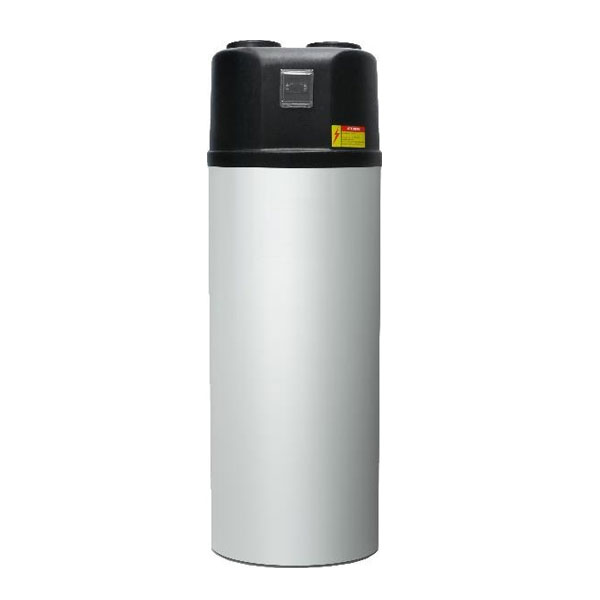
Suoher SHWW-3T500 — 500L Heat Pump Water Heater
Integrated heat pump water heater with 500-litre stainless steel 304 inner tank. Ideal for decentralized villa, bungalow, or staff-accommodation applications where a full central plant is not economical.
- Tank capacity: 500 L
- Heating capacity: 3.5 kW
- COP: 3.85
- Power supply: 220V / 1-phase
- Refrigerant: R134a
How to Brief Your Supplier for a Hospitality Project
A well-prepared brief is the difference between a quote that fits and a quote that fails. When Suoher's commercial team reviews a hotel inquiry, the following six data points determine whether the first proposal is accurate or needs revision:
- Room count and mix. Standard rooms, suites, family rooms, and staff accommodation all have different hot water profiles. A suite with a Jacuzzi can use 400 L/day; a standard room uses 120–150 L/day.
- Occupancy pattern. Business hotels have sharp weekday peaks and low weekend occupancy. Resorts have the opposite. Wedding venues and conference hotels have unpredictable spikes. Provide average annual occupancy and peak-month occupancy.
- Ancillary loads. Restaurant, bar, laundry, spa, pool, and kitchen each add thermal demand. A restaurant kitchen can add 15–25% to room-only demand.
- Climate data. The design ambient temperature determines whether standard or EVI compressors are required. Provide the location or the coldest typical winter temperature.
- Existing infrastructure. Photos, drawings, or descriptions of the current plant room, flue routes, electrical supply, and buffer tank help the supplier assess retrofit complexity and access constraints.
- Budget and timeline. New-build projects can integrate heat pumps from day one. Retrofits must work around guest occupancy, so phasing (e.g., install during low season) is often necessary.
With this information, Suoher's engineers can return a preliminary sizing, equipment schedule, and indicative energy model within two to three working days. For large or complex projects, a site survey by a local partner or Suoher's technical team is arranged before final specification.
Get a Custom Hot Water Assessment for Your Property
Heat pump hot water is no longer an experimental technology for hotels — it is the default choice for new-build hospitality projects across the EU, and it is rapidly becoming the standard for gas-boiler retrofits in the UK, Australia, and Southeast Asia. The combination of 60–75% energy reduction, falling equipment costs, and generous capital subsidies makes the business case compelling for virtually every property above 40 rooms.
Whether you are planning a new resort, retrofitting a city hotel, or simply exploring options ahead of a boiler replacement cycle, the first step is a proper thermal load assessment and equipment sizing model. Suoher's commercial heat pump team works directly with hotel owners, facility managers, and M&E consultants to deliver accurate proposals without obligation.
Ready to cut your hotel's hot water energy bill by 60%?
Send Suoher's engineering team your room count, location, and current fuel type. We will return a preliminary sizing, expected annual savings, and equipment recommendation within 48 hours.
Request a Custom Hotel Heat Pump Quote