Heat Pump Winter Maintenance: Defrost, Ice and Low-Temperature Care
What winter does to a heat pump
Air-source heat pumps move heat from outdoor air into your home. As the ambient temperature drops, the temperature difference between the refrigerant and the outside air grows, so the unit has to work harder to extract the same amount of energy. In mild winters this is barely noticeable, but in climates that regularly fall below freezing the effects are real: heating capacity falls, defrost cycles become more frequent, and ice can build up on the outdoor coil.
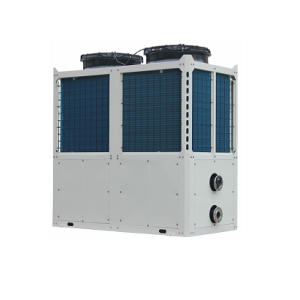
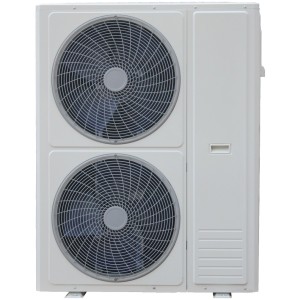
The good news is that most of this behavior is normal. A modern inverter or EVI heat pump is designed to handle it, provided it is installed and maintained correctly. The Suoher EVI monobloc line, for example, is engineered for low-ambient operation and uses demand-defrost logic to keep ice under control without wasting energy.
Defrost: normal vs problematic
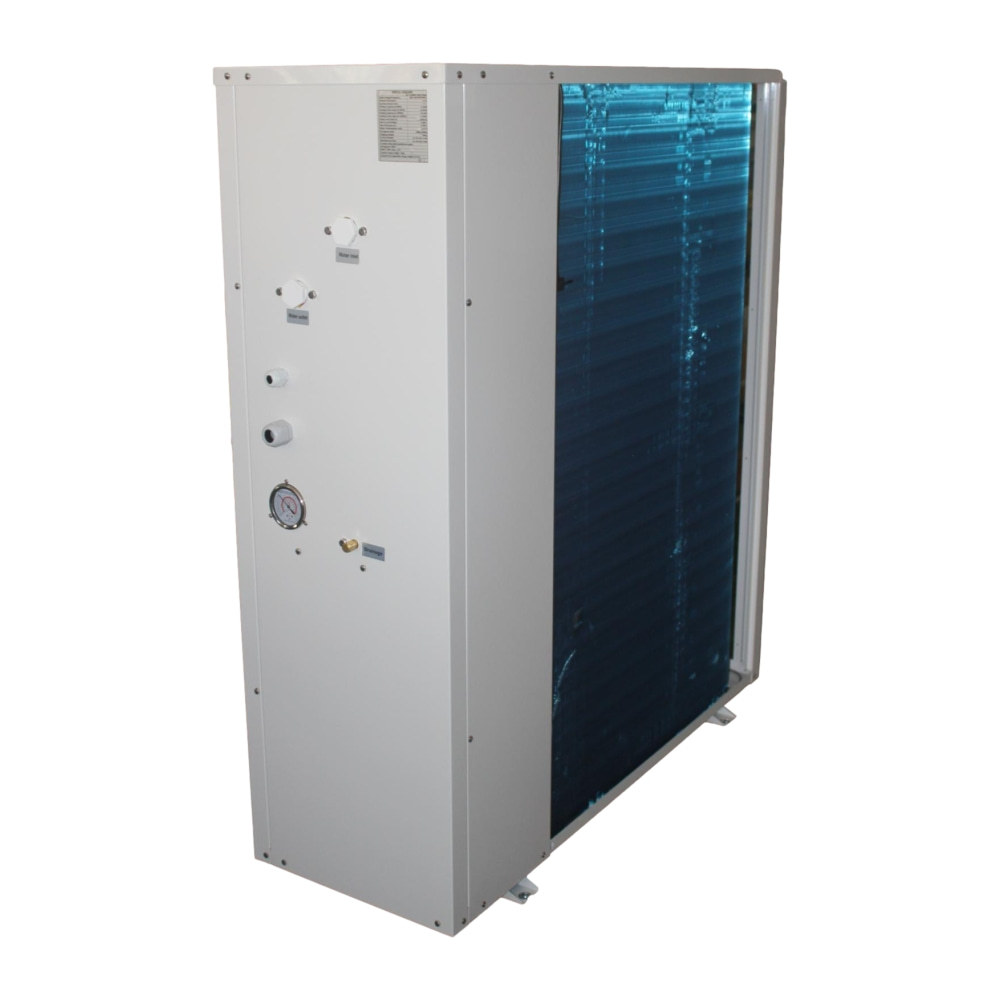
Defrosting is the unit’s way of melting frost off the outdoor coil. When frost becomes too thick, airflow is restricted and efficiency drops. The controller reverses the refrigeration cycle or energizes an electric defrost heater to raise coil temperature briefly. A small amount of steam and a short period of cooler indoor air are normal.
Signs of trouble
Not every defrost cycle is healthy. Call for service if you notice any of the following:
- Defrost cycles lasting longer than 20 minutes or repeating more often than every 20 minutes.
- Ice remaining on the coil after a defrost cycle finishes.
- The unit stays in defrost for most of the day, leaving the house short of heat.
- Error codes related to coil temperature sensors, low pressure, or defrost timers.
- Heating output drops sharply even when the outdoor temperature is only mildly cold.
These symptoms can point to low refrigerant charge, a faulty sensor, poor airflow, or an incorrectly configured defrost board. Suoher field engineers often see the issue traced back to a blocked outdoor coil or an indoor filter that has not been changed since summer.
What 5-15 minute defrost cycles mean
A 5-15 minute defrost cycle every 30 to 90 minutes is generally a sign that the system is operating as designed. In very cold, humid weather the interval may shorten, but the duration should stay in that range. If the cycle is much shorter, the controller may be aborting defrost before the coil is clear; if it is much longer, the unit may be struggling with airflow or refrigerant charge.
For a deeper look at the technology, read our guide to demand defrost. Demand-defrost systems like those used in Suoher EVI monoblocs only initiate a cycle when sensors detect real frost, which can cut unnecessary defrost time by 30-50% compared with older time-temperature systems.
Snow and ice management
Snow and ice are not the same as frost. Frost forms on the coil surface and is removed by defrost. Snow accumulates around or on top of the unit and must be cleared manually. A unit buried in snow cannot breathe, and a frozen drain can cause ice dams that block airflow and damage the base pan.
Clearing the unit
After each heavy snowfall, brush snow off the top and sides of the outdoor unit with a soft broom or brush. Do not use shovels, ice picks, or pressure washers on the coil fins. Maintain at least 50 cm of clear space on all sides and 100 cm in front of the air discharge. If the unit is under an overhang where icicles form, clear them before they fall onto the coil or fan.
Base pan heater
In cold, humid regions, a base pan heater keeps meltwater from refreezing in the drain tray. Without it, the tray can fill with ice and eventually encase the bottom of the coil. Suoher EVI monobloc units can be equipped with a pan heater and insulated drain line for exactly this reason; it is a small add-on that prevents expensive callbacks in Nordic and alpine installations.
Elevated stands
Mounting the outdoor unit 15-30 cm above the normal snow line is one of the simplest winter-prep decisions. Wall brackets, concrete risers, or prefabricated stands all work, provided they are level and rated for the unit’s weight. Elevation improves drainage, keeps the unit out of drifting snow, and makes seasonal cleaning easier. The Suoher installation manual recommends a minimum 20 cm clearance to the ground for residential monoblocs.
Filter and coil care in winter
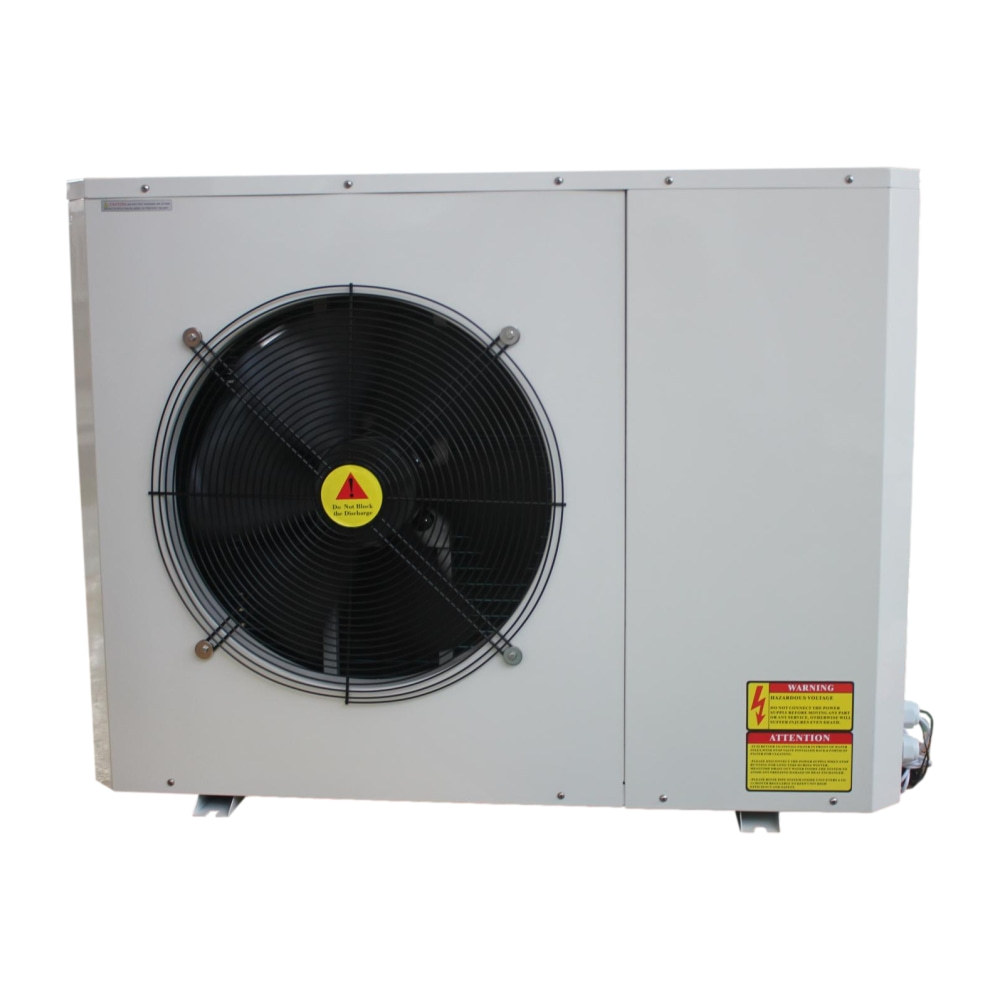
Dirty filters and coils force the heat pump to run longer and at higher pressures, which increases frost formation and shortens component life. Winter is not the time to skip maintenance: the unit is already working harder, so airflow restrictions hurt efficiency more than in mild weather.
Check the indoor return-air filter every month during the heating season. If it is grey or clogged, replace or wash it depending on the filter type. Outdoors, inspect the coil for leaves, seed fluff, and debris. If the temperature is above freezing, gently rinse the coil from the inside out with a garden hose. Straighten any bent fins with a fin comb. In coastal or industrial areas, ask your installer about epoxy-coated coils and hydrophilic fin treatments; Suoher offers both as factory options for harsh environments.
Pre-winter maintenance checklist
A single pre-season visit is usually enough for a residential unit, but commercial systems and cold-climate installs benefit from a monthly visual check. Use the table below as a starting point.
| Task | Frequency | Notes |
|---|---|---|
| Replace or clean indoor filter | Monthly | More often if pets or dust are present. |
| Inspect outdoor coil | Monthly | Remove debris; rinse if above 0°C. |
| Check condensate drain | Pre-season + monthly | Confirm drain is clear and sloped. |
| Verify defrost operation | Pre-season | Watch one complete cycle for duration. |
| Clear snow and ice | After each snowfall | Keep 50 cm clearance on all sides. |
| Inspect pipe insulation | Pre-season | Repair tears before first hard freeze. |
| Schedule professional service | Annually | Includes refrigerant and electrical checks. |
When to call a technician
Homeowners and facility managers can handle filters, snow clearing, and visual checks, but some symptoms require a trained technician with refrigerant gauges and electrical testers. Call a professional if you notice:
- Refrigerant leaks (oily residue on fittings or hissing sounds).
- The compressor fails to start, or the unit trips the breaker repeatedly.
- Persistent error codes after resetting power.
- Thick ice on the coil that does not clear during defrost.
- Unusual noises such as grinding, rattling, or loud compressor knock.
- A sudden spike in heating costs without a corresponding drop in outdoor temperature.
- Water leaks from the indoor unit or frozen refrigerant lines.
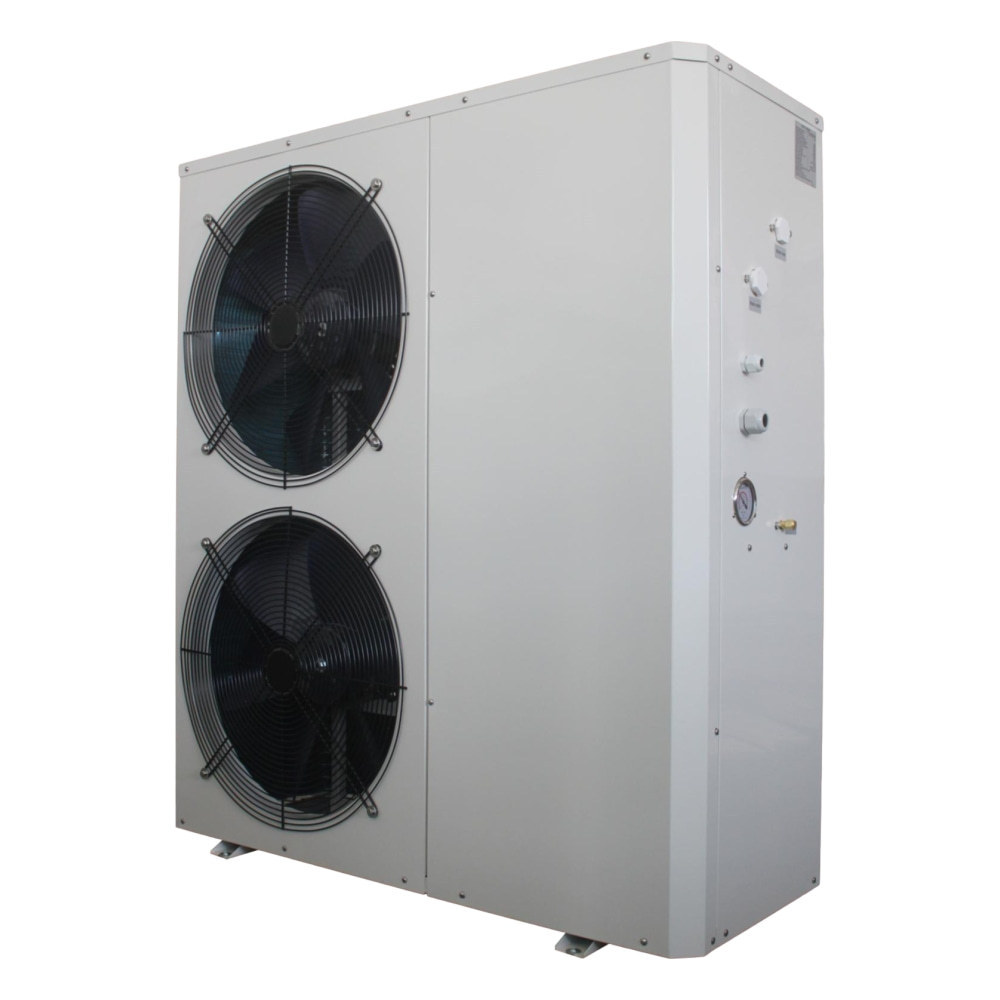
SHAW-16EVIM 16kW EVI Monobloc
Built for cold winters, the SHAW-16EVIM uses EVI vapor-injection technology to maintain capacity well below freezing. Optional base-pan heater and elevated stand compatibility make it a strong choice for alpine, Nordic, and northern continental projects.
View Product →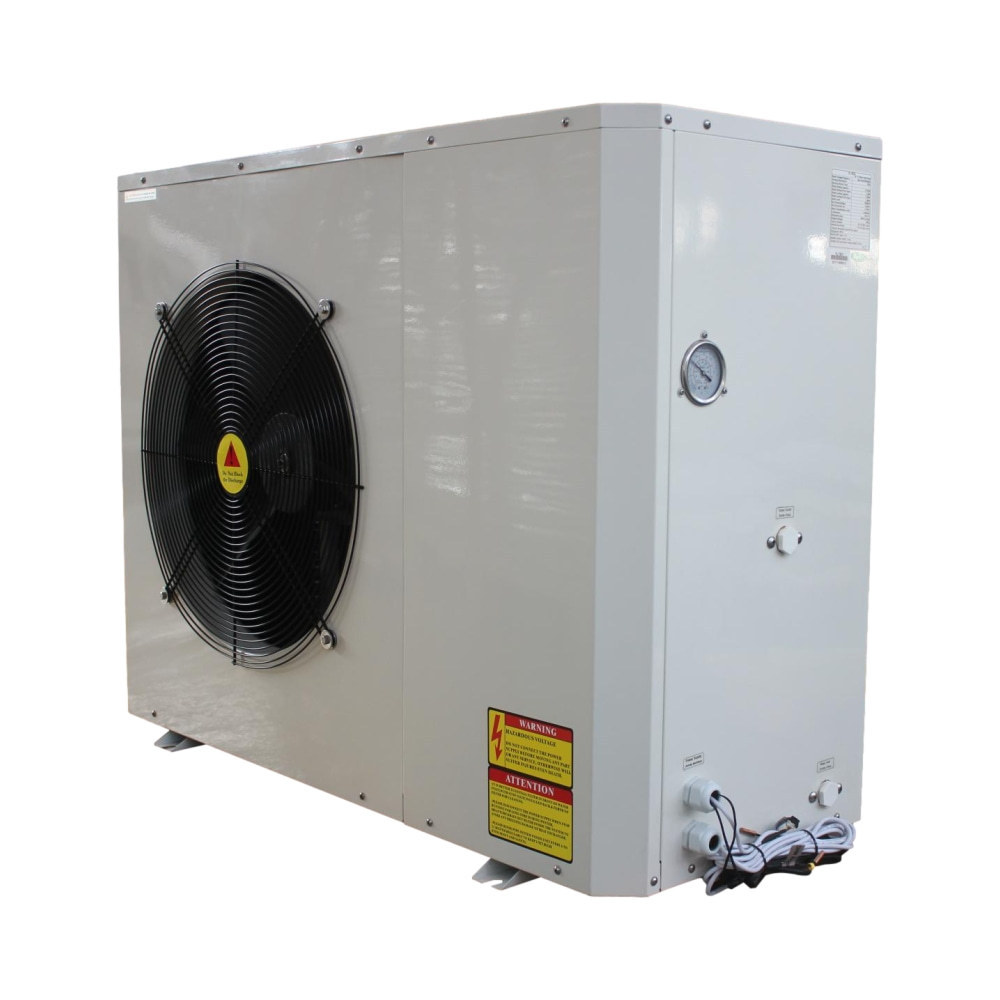
SHAW-12EVIM 12kW EVI Monobloc
The SHAW-12EVIM offers three-phase reliability in a compact footprint. Its demand-defrost control and robust coil design reduce winter maintenance calls while keeping running costs low.
View Product →Get Your Heat Pump Winter-Ready: Request a Suoher Maintenance Checklist
Winter maintenance is not complicated, but it is specific. The right checklist helps installers avoid callbacks and helps end users protect their investment. If you are sourcing heat pumps for cold climates, the Suoher Heat Pump Team can share our winter-prep guide, specification sheets, and EVI model recommendations matched to your design temperatures.
Request a winter maintenance checklist or browse Suoher EVI heat pumps to find a low-ambient unit for your next project.